

Chlorine Vs Saltwater Vs Mineral Pools - What’s the difference and which is right for me?
When people talk about pool water systems, there’s often confusion - especially around “saltwater” pools. Many assume a saltwater pool means chlorine-free water, but here’s the truth:
Saltwater pools are still chlorine pools. The difference is how that chlorine is generated.
Instead of manually tipping chlorine chemicals into the pool, a saltwater chlorinator converts dissolved pool salt into chlorine through a process called electrolysis. As the water passes through an electrolytic cell, the salt is transformed into chlorine, which then sanitises the water and keeps it crystal clear.
For rural WA homes, where water quality and maintenance access can be more challenging, this system is ideal. Saltwater chlorinators provide consistent sanitation with minimal effort, reducing the need for regular chemical handling or store-bought chlorine—perfect for country living.
The result? Softer-feeling water, less maintenance, and a long-term, low-cost solution that’s perfectly suited to regional Western Australian conditions.
So, let’s set the record straight: saltwater chlorinators are the new “traditional” system — and the best choice for rural WA properties. From there, you can choose to add minerals for an even more luxurious swimming experience.

Saltwater Chlorinators - The New Standard
Saltwater systems have quickly become the most popular choice in Australian backyards.
How they work: You add pool salt, and the chlorinator converts it into chlorine as it’s needed—keeping the water clean and crystal clear without the hassle of adding chemicals by hand.
Why people love them:
Gentler on skin, hair, and eyes
No need to manually handle chlorine
Lower long-term costs (salt is inexpensive and widely available)
Easy to maintain with automated systems like the AstralPools Halo
This flexibility is why we recommend saltwater systems as the best all-rounder for family pools—there’s a smart, automated option to suit almost every backyard.

Variations on Saltwater Systems
While a standard saltwater chlorinator is the most common choice, there are a few variations worth mentioning:
Low-salt systems (such as HaloPure): Designed for smaller pools, the HaloPure runs on a lower salt level than traditional systems, making it ideal for reduced water volumes. It also includes Mineral Guard, which releases small amounts of silver and copper ions into the water. This provides a secondary layer of sanitation while reducing the amount of chlorine needed—without affecting your pool’s warranty.
Mineral Swim Purifier (optional add-on): This system can be paired with a saltwater chlorinator to further enhance sanitation. It introduces natural oxygen into the water, working as a secondary purifier and giving the pool an even fresher feel.
Why we don’t offer “freshwater” systems: Freshwater solutions typically rely entirely on copper and silver as their sanitising method. While these can kill bacteria, they also carry risks. If copper levels creep too high, it can cause staining and long-term issues with a fibreglass pool shell. For that reason, we only recommend systems where copper and silver act as a supportive, secondary sanitiser—never the primary method.
Adding Minerals - The Upgrade
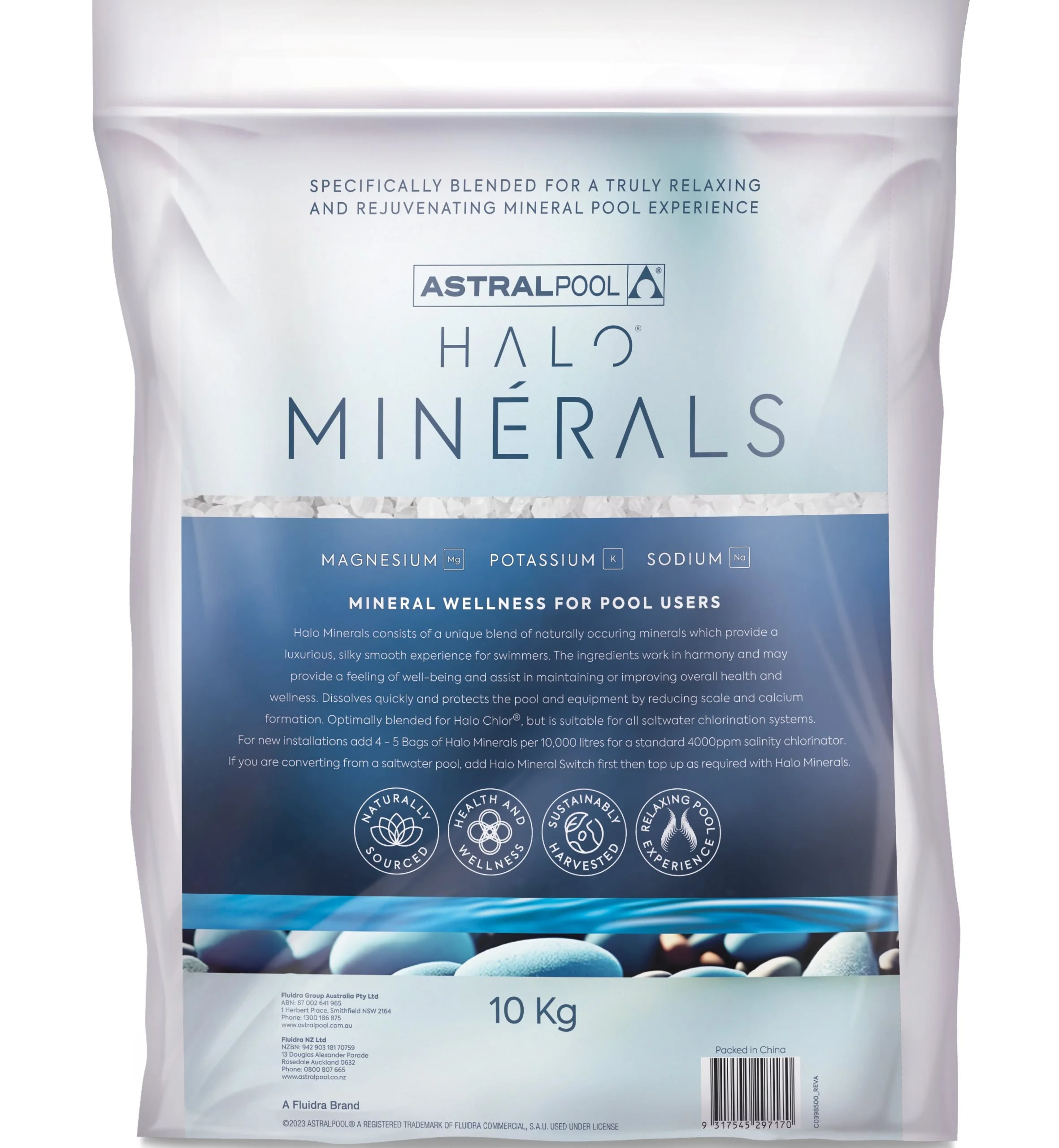
There’s often a misconception that a mineral pool is a completely different system to a saltwater pool. In reality, mineral pools typically work alongside your main sanitation method—most often a saltwater chlorinator. The difference is that the pool salt you add is infused with minerals, which creates that “mineral pool” feel.
One of the most popular mineral additives is magnesium. Unlike traditional oral supplements that have limited absorption, magnesium is best absorbed through the skin—making it an excellent additive for swimming. The result is water that not only feels silkier, but may also provide relaxation and skin health benefits while you swim.
Benefits of adding minerals:
Softer, silkier water
A luxury “resort-style” feel in your own backyard
Potential benefits for skin and overall wellbeing, particularly with magnesium
The main trade-off is cost. Mineral salt is significantly more expensive than standard pool salt, so while it offers a premium swimming experience, it’s not essential for everyone.
So, which is the right choice?
With so many options—chlorine, saltwater, mineral—it can feel overwhelming trying to work out what’s best for your pool. Our recommendation is clear: a saltwater chlorinator is the best all-round system for most families.
At Countrywide Pools, we install saltwater chlorinators only, and in particular the AstralPools Halo system. As rural pool installation experts in Western Australia, we understand the unique conditions that come with country living — from varying water quality and power access to long travel distances for servicing. That’s why we choose systems that are reliable, low-maintenance, and built to perform in regional environments.
The Halo doesn’t just generate chlorine automatically — it takes pool care to the next level with smart automation. From your phone, you can control sanitation, pH dosing, lighting, spa jets, and more. It’s the easiest way to keep your pool sparkling with minimal effort, no matter where you are in WA.
From there, you can choose how far you want to go:
Stick with standard pool salt for a reliable, cost-effective option.
Upgrade with minerals if you’d like a softer, spa-like swimming experience (magnesium is particularly popular).
Add the Mineral Swim Purifier for an additional layer of natural oxygen-based purification, reducing reliance on chlorine even further.
Either way, you’ll be swimming in clean, clear, low-maintenance water!
Ready to take the next step towards creating your dream pool? Contact us today to explore the possibilities and start the journey.