

5 Essential Tips to Winterise your Pool
As the cooler months roll in, now is the perfect time to prep your pool for winter. A little maintenance at the start of the season can go a long way in keeping your pool in optimal condition - and making the return to swimming much easier when the time is right to do that first jump back in when the sun’s back. Make sure your pool is sparkling and swim-ready with these 5 essential tips:

Give it a good clean
This is the foundation of your winter prep. Organic matter left in the water can trigger algae growth, so make sure all surfaces are thoroughly scrubbed with a broom or brush then vacuumed to remove any build up from the warmer months.
2. Maintain & Adjust Filtration
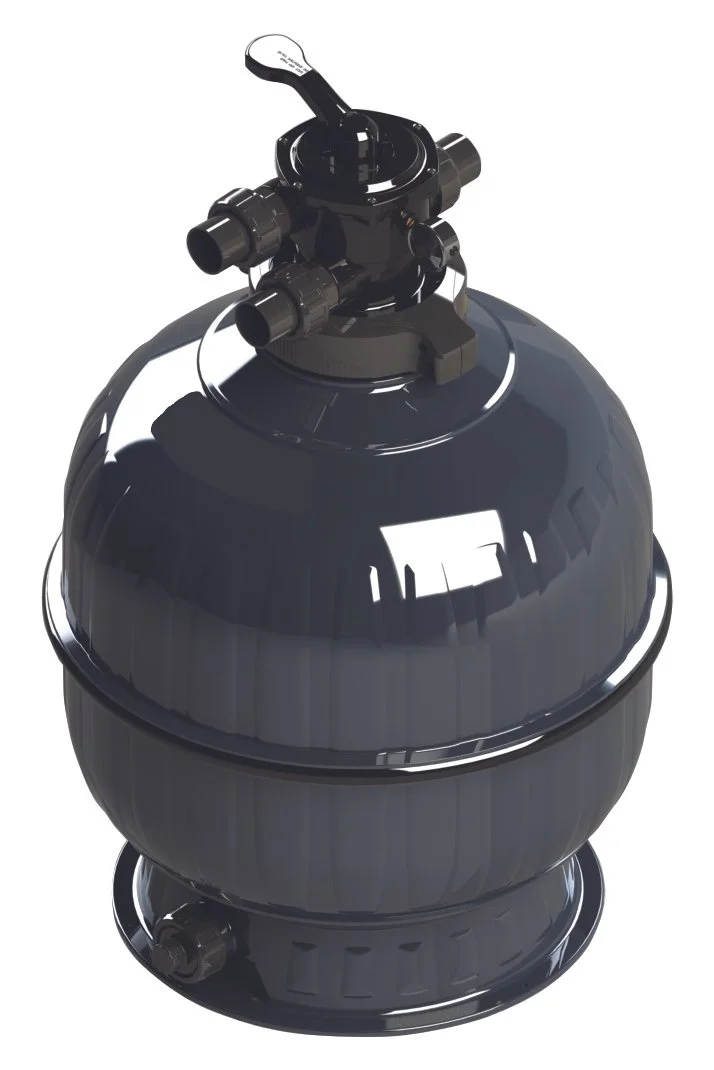
After cleaning, your pool water will likely become cloudy. Run the filtration system until it clears, then clean the filters thoroughly and perform a full backwash. Over summer, oils and fats from sunscreen and body products accumulate in the filter media—and if left, they’ll harden over winter, making them more difficult to remove.
If your filtration system has a winter setting, now is the time to activate it. While cooler temperatures reduce the demand for filtration, Perth’s mild winters don’t completely prevent algae growth. You may be able to reduce your daily run time to between 3 and 6 hours, but it's worth discussing the optimal settings for your pool with a technician.
3. Check & Balance Water Chemistry
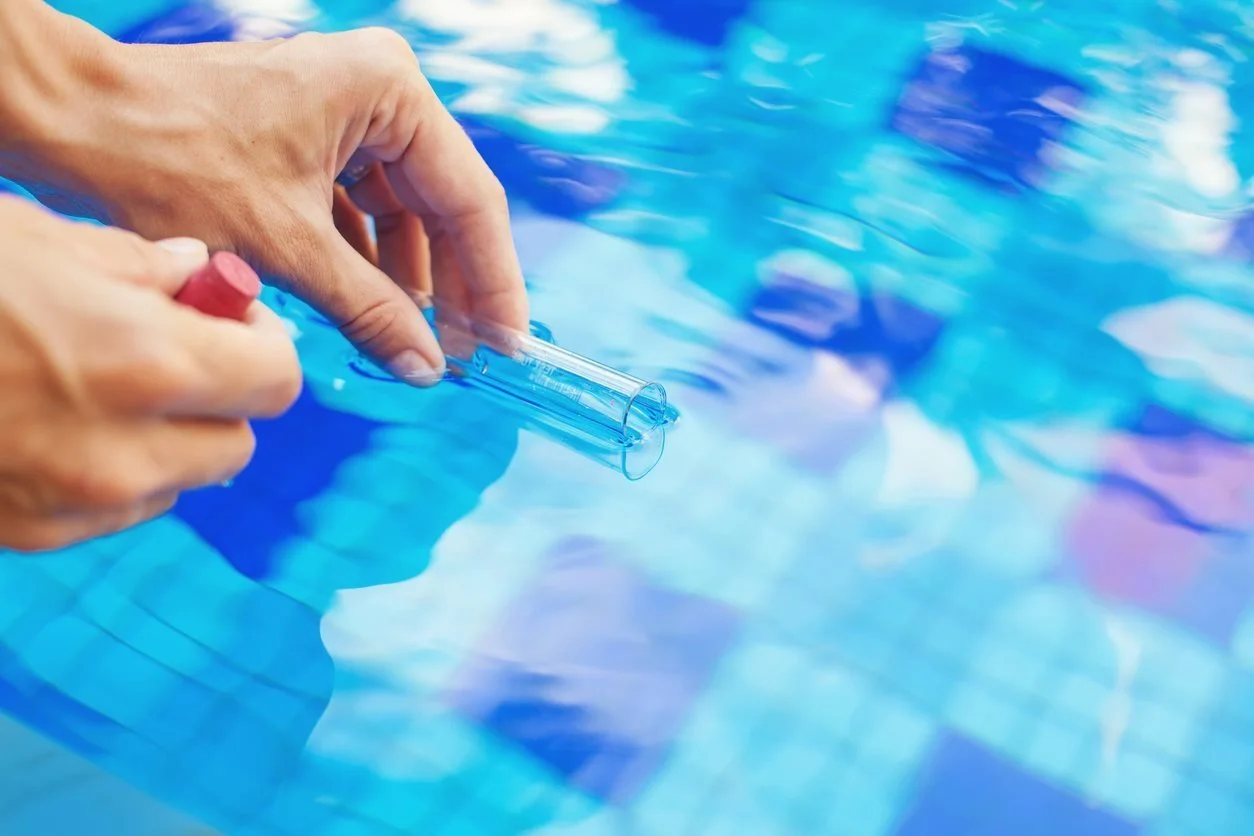
Maintaining proper water chemistry is essential year-round. Before winter, ensure your pH level is between 7.2 and 7.6. To reduce the risk of winter algae blooms—common in our climate—add a long-acting algaecide after balancing pH levels.
We also recommend using a phosphate remover. Phosphates, which often enter pools through rainwater or garden run-off, act as a food source for algae. A phosphate blocker will help prevent future outbreaks and should be part of any winter pool care plan.
Over winter, test your water and adjust chemical levels at least once per month.
4. Use a blanket or pool cover
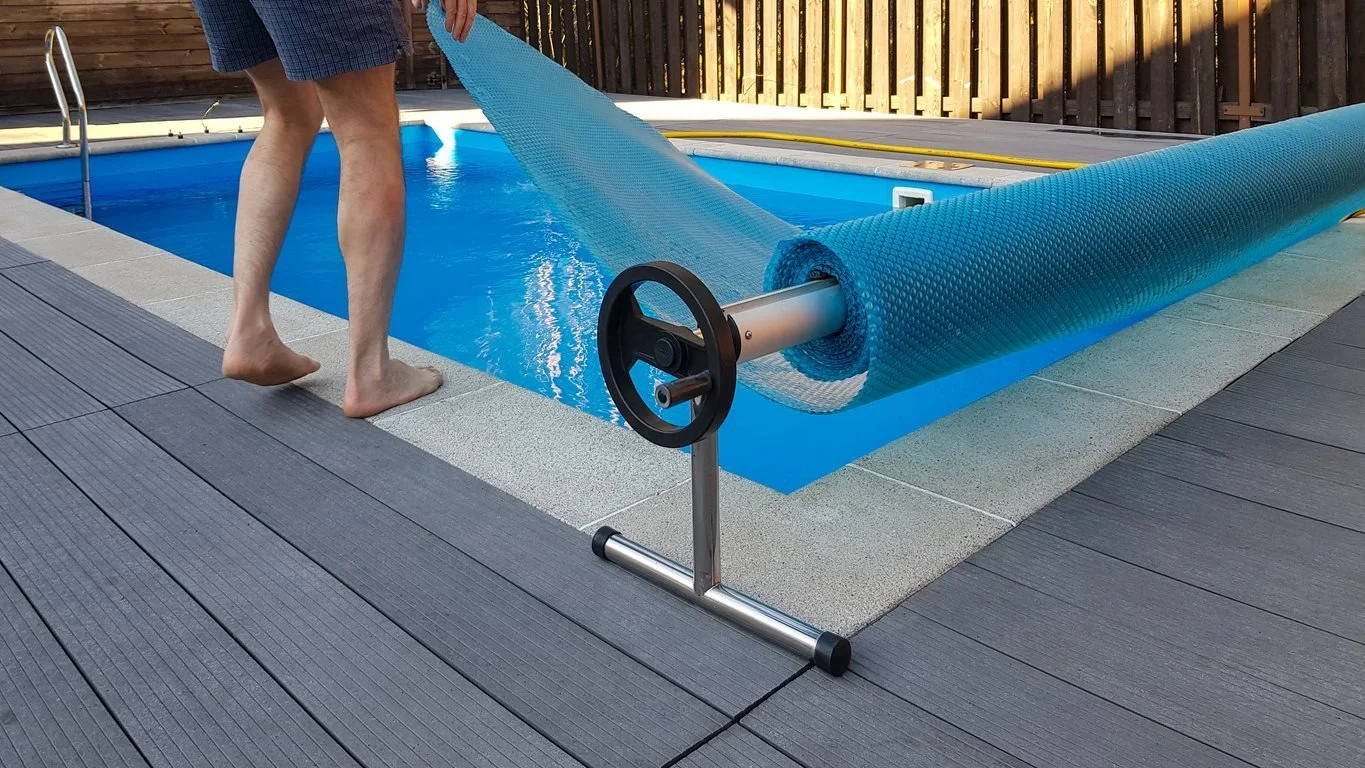
A well-fitted winter pool cover helps reduce debris from entering the water and eases the load on your filtration and sanitation systems. While a blanket will minimise cleaning, you’ll still need to regularly empty the skimmer basket and occasionally vacuum the pool during the off-season.
5. Secure and maintain the pool area
Before winter sets in, deflate and store pool inflatables and clean and dry all pool toys. This is also a good time to inspect the pool surrounds—check for loose pavers or decking issues, ensure pool gates are functioning correctly, and carry out any necessary maintenance to ensure your pool area remains safe and compliant.
Preparing your pool properly before winter means less work, fewer issues, and a quicker return to swimming when the warmer weather arrives.
If you’d prefer expert help, our team can take care of your winter servicing for you—from water testing to system checks and recommendations.